Most owners do not think of it this way at first.
They think about purchase price, maintenance, insurance, storage, maybe rental income, maybe appreciation, maybe how often the family will use it in a great year.
What they do not always think about is the real economic and lifestyle cost of downtime. Not broken time. Not bad time. Not wasted time in an emotional sense. We mean something more specific than that. We mean the weeks, weekends, and seasons when a valuable recreational asset simply sits there doing nothing for your family.
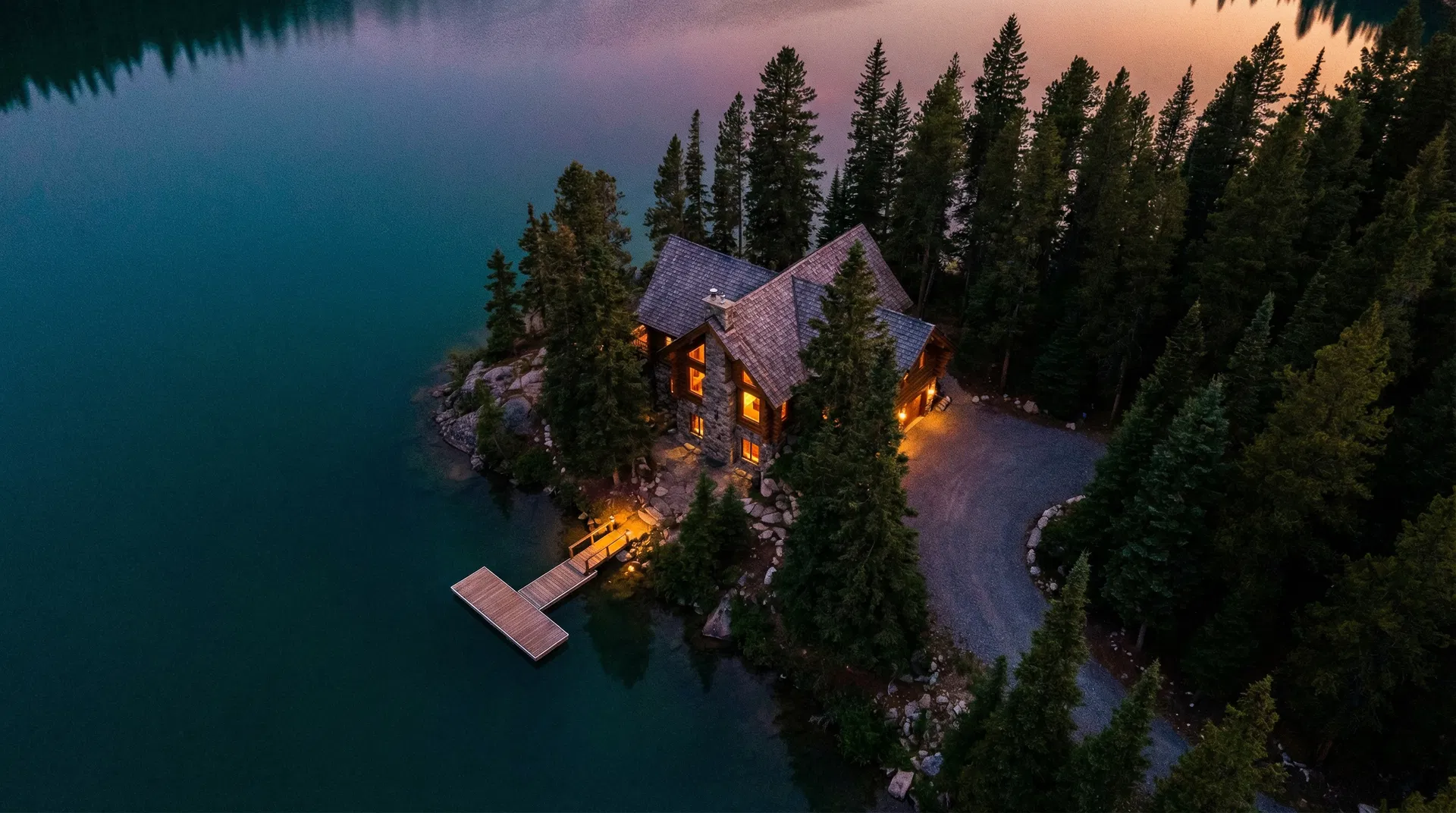
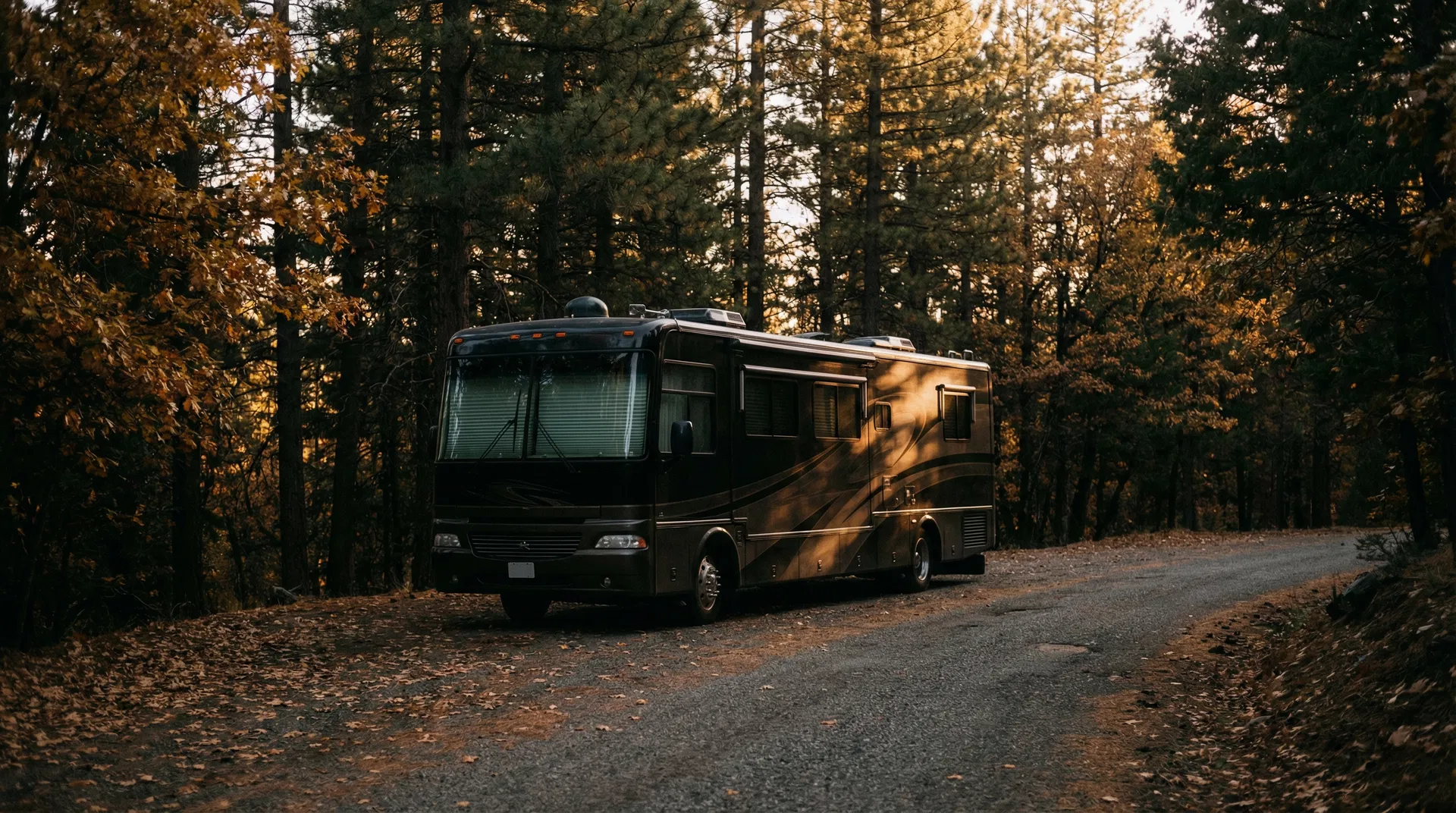
If you own a vacation home, RV, boat, trailer, or other adventure asset, that downtime is not neutral. It is unused potential.
And once you start looking at it that way, you begin to see a very different opportunity.
Idle Time Is the Hidden Leak in the Adventure Economy
A family can love its vacation home and still use it only a small portion of the year. An RV can be a beloved purchase and still spend long stretches parked between adventures. A boat can be a source of genuine joy and still sit at the dock for weeks at a time.
None of this means the asset was a mistake. It means the asset has unused capacity.
That unused capacity is where most owners are losing more than they realize.
In a traditional mindset, the only obvious options seem to be these: let it sit, rent it for cash, or sell it. But that is an incomplete menu. There is a fourth option that more owners should be considering: exchange the downtime for lifestyle value.
This is where the JoyRidr thesis begins. We believe the real opportunity for many owners is not squeezing every spare date into public rental income. It is turning underused time into access to other adventures your family actually wants.
The Problem With Thinking Only in Cash Terms
Rental income can be useful. In some cases, it is absolutely the right move. But it is not the only lens that matters.
When owners evaluate their asset only through the lens of nightly revenue, they often miss the broader lifestyle equation. Yes, a few empty nights might be monetizable. But monetized into what? More cash in the account, followed by another full-price trip booked elsewhere? Another round of platform fees? Another season of paying retail for the experiences you do not own?
That is where the model starts to feel inefficient.
Cash is one type of return. Access is another.
For many owners, especially those who care about family travel, flexibility, and a premium lifestyle, access can be the higher-value outcome. If a handful of unused nights in one category can help unlock multiple memorable trips across other categories, the economics become far more interesting.
This is particularly true for owners who already know the emotional upside of having a recreational asset. They do not need to be convinced that experiences matter. They already bought into that. The next step is helping them make the asset work harder for a broader range of experiences.
Downtime Is Not Dead. It Is Stored Value.
This is the reframe more owners need.
Your unused weekends are not just blank spots on a calendar. They are stored value. Your unbooked shoulder season is stored value. Your parked RV between road trips is stored value. Your empty lake-home dates are stored value. Your boat's unused weekends are stored value.
The traditional platforms are built to help you turn that value into transactions. JoyRidr is being built to help you turn that value into possibility.
That distinction matters because it changes how owners think about the purpose of their asset. Instead of asking only, "How much cash can this produce?" they can begin asking, "How much life can this unlock?"
That is a much more expansive question.
Why This Model Feels Especially Strong for Lifestyle Owners
Not every owner thinks the same way.
Some are pure operators. They want yield optimization, occupancy strategy, channel management, and revenue maximization. That is a legitimate game.
But many owners are something else. They are lifestyle owners. They bought the cabin because they love family weekends in the woods. They bought the boat because summer feels better on the water. They bought the RV because they wanted freedom, not just another thing.
These owners usually still care about economics. They are not careless. They simply value a broader mix of outcomes.
They want their assets to make sense financially, but they also want them to enrich the family's life. They want smart use, not just maximum extraction. They want optionality. They want leverage. They want their ownership to create range.
JoyRidr speaks directly to that kind of owner. It offers a way to preserve the emotional meaning of ownership while expanding its utility. Instead of feeling forced to treat every open date like a retail inventory problem, owners can use part of that downtime to unlock experiences they would otherwise pay separately to access.
The Multi-Category Advantage
This is where the model gets even more compelling.
If exchange only gave you more of the same, it would still have value, but it would be narrower. The real power emerges when one category opens the door to another.
A vacation-home owner may want boating weekends. An RV owner may want a cabin in the mountains. A boat owner may want a family road trip in a luxury trailer. A chalet owner may want a beach house for spring break.
That is exactly why JoyRidr is being built as a multi-category adventure club. The goal is not simply to create another vertical marketplace. It is to let owners move across a broader adventure ecosystem using the downtime they already have.
A Smarter Owner Mindset
The smartest owners in the next decade will not just ask how to monetize assets. They will ask how to orchestrate them.
They will think about yield, yes, but also about flexibility. They will think about revenue, yes, but also about optionality. They will think about appreciation, yes, but also about experience return.
In other words, they will stop seeing their vacation home, RV, or boat as an isolated possession and start seeing it as part of a larger lifestyle system.
That is a much more strategic way to think. It is also much closer to how high-functioning families actually want to live. They do not want every good trip to require a brand-new search, a brand-new payment, and a brand-new stack of fees. They want a more elegant loop. One where what they already own can help fuel what comes next.
Final Thought
If your asset sits idle for large parts of the year, you do not just have a utilization issue.
You have an opportunity.
The real question is not whether downtime exists. It always will.
The real question is what you do with it.
Let it sit, push it into another transaction, or use it to unlock a richer life.
We know which future we are building for.
READY TO EXPLORE?
Curious whether your underused asset
could unlock a better year of adventure?
Explore JoyRidr at joyridrclub.com and see how the club is rethinking access, ownership, and family travel.